 船员帮
 船长
 大副
 三副
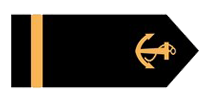 水手
 轮机长
 大管
 三管
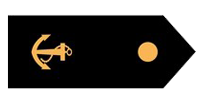 机工


大管轮英文文面试中英文对话
一、Opening & Basic Introduction(开场与基本介绍)Interviewer (I): Good morning, Mr. Yongwen. Welcome to the chief engineer interview. How was your trip here?(面试官:永文先生,早上好。欢迎参加大管轮面试。您过来的路上还顺利吗?)Yongwen (Y): Good morning. It was smooth, thank you. I left early to avoid traffic.(永文:早上好。很顺利,谢谢。我提前出发避开了交通高峰。)I: Could you briefly introduce your maritime career experience first?(面试官:能否先简要介绍您的航海职业经历?)Y: Sure. I’ve been working in marine engineering for 15 years. I started as a junior engineer, then became a second engineer 8 years ago, and have served as chief engineer for 5 years.(永文:当然。我从事船舶轮机工作 15 年了,从见习轮机员做起,8 年前晋升为二管轮,近 5 年一直担任大管轮。)I: Which types of ships have you worked on?(面试官:您曾在哪些类型的船舶上工作过?)Y: Bulk carriers, container ships, and oil tankers. My last ship was a 100,000 DWT oil tanker.(永文:散货船、集装箱船和油轮。上一艘船是 10 万吨载重吨的油轮。)I: What made you choose to apply for this chief engineer position?(面试官:您为什么选择申请这个大管轮职位?)Y: I know your company has strict standards for ship safety and equipment maintenance, which aligns with my work philosophy. I also want to take on more challenges in a professional team.(永文:我了解贵公司对船舶安全和设备维护有严格标准,这与我的工作理念一致。同时,我也希望在专业团队中迎接更多挑战。)二、Qualification & Certificate Verification(资质与证书核查)I: Do you hold a valid Class 1 Chief Engineer Certificate?(面试官:您持有有效的一等大管轮适任证书吗?)Y: Yes. Here’s the copy. It was renewed last year and is valid for 5 years.(永文:是的,这是证书复印件。去年刚换发,有效期 5 年。)I: Have you received training on MARPOL Annex VI (Air Pollution Prevention)?(面试官:您接受过《国际防止船舶污染公约》附则 VI(防止空气污染)的培训吗?)Y: Definitely. I took the advanced training course 2 years ago and got the certificate. I also update my knowledge of MARPOL regulations every year.(永文:当然。两年前我参加了进阶培训并获得证书,而且每年都会更新《国际防止船舶污染公约》的法规知识。)I: Do you have experience with IMO Tier III engine technology?(面试官:您有 IMO Tier III(国际海事组织第三阶段)发动机技术的相关经验吗?)Y: Yes. My last ship was equipped with a Tier III main engine. I was responsible for its daily maintenance and performance monitoring.(永文:有。上一艘船配备的就是 Tier III 主机,我负责它的日常维护和性能监控。)I: Have you ever passed a PSCO (Port State Control Officer) inspection for the engine department?(面试官:您曾经历过港口国监督官员对轮机部的检查吗?)Y: Many times. In the past 3 years, we passed 8 PSCO inspections, with no major deficiencies in the engine room.(永文:经历过很多次。过去 3 年,我们通过了 8 次港口国监督检查,轮机部均无重大缺陷。)三、Engine Room Equipment Management(机舱设备管理)(1)Main Engine & Auxiliary Engine Maintenance(主机与辅机维护)I: How often do you conduct routine inspections on the main engine?(面试官:您多久对主机进行一次例行检查?)Y: Daily. I check the oil pressure, temperature, vibration, and exhaust color every shift. A comprehensive inspection is done weekly.(永文:每天都检查。每个班次都会查看油压、温度、振动和排气颜色,每周进行一次全面检查。)I: What do you do if you find abnormal vibration in the main engine?(面试官:若发现主机振动异常,您会怎么做?)Y: First, reduce the engine load to avoid further damage. Then check the bearing clearance, coupling alignment, and fuel injection timing.(永文:首先降低主机负荷,避免进一步损坏,然后检查轴承间隙、联轴器对中情况和燃油喷射正时。)I: How do you maintain the auxiliary engines to ensure their reliability?(面试官:您如何维护辅机以确保其可靠性?)Y: Follow the maintenance schedule strictly—change the oil and filters on time, clean the cooling system monthly, and test the emergency stop function weekly.(永文:严格遵守维护计划,按时更换机油和滤芯,每月清洗冷却系统,每周测试应急停车功能。)I: Have you ever replaced a major component of the auxiliary engine during sailing?(面试官:航行中您是否更换过辅机的主要部件?)Y: Yes. Once the auxiliary engine’s turbocharger failed. We replaced it with a spare part within 4 hours to restore power supply.(永文:更换过。有一次辅机涡轮增压器故障,我们用备用件在 4 小时内完成更换,恢复了供电。)(2)Fuel & Lubricating Oil Management(燃油与润滑油管理)I: How do you ensure the quality of the fuel oil used in the main engine?(面试官:您如何确保主机使用的燃油质量?)Y: Check the fuel’s viscosity and density before bunkering. After bunkering, take samples for lab testing and clean the fuel filters daily.(永文:加油前检查燃油的粘度和密度,加油后取样送实验室检测,同时每天清洗燃油滤器。)I: What’s the key to controlling the fuel consumption of the main engine?(面试官:控制主机燃油消耗的关键是什么?)Y: Optimize the engine load—avoid frequent speed changes, maintain the correct fuel injection pressure, and keep the propeller clean.(永文:优化主机负荷,避免频繁变速,保持正确的燃油喷射压力,同时保持螺旋桨清洁。)I: How do you manage the lubricating oil of the engine room equipment?(面试官:您如何管理机舱设备的润滑油?)Y: Record the oil level and quality every day. Analyze the oil sample every 3 months to check for metal particles or contamination. Replace the oil when it exceeds the standard.(永文:每天记录油位和油质,每 3 个月对油样进行分析,检查是否有金属颗粒或污染物,超标时及时换油。)I: What should you pay attention to when changing the lubricating oil of the main engine?(面试官:更换主机润滑油时需注意什么?)Y: Drain the old oil completely when the engine is warm, clean the oil sump and filters, and add new oil of the correct grade to the specified level.(永文:主机温热时彻底放净旧油,清洗油底壳和滤器,加入符合规格的新油,加到规定油位。)(3)Cooling & Air Conditioning Systems(冷却与空调系统)I: How do you maintain the main engine’s cooling system?(面试官:您如何维护主机冷却系统?)Y: Check the cooling water level and temperature daily, clean the sea water strainers every shift, and add corrosion inhibitor to the fresh water system monthly.(永文:每天检查冷却水位和温度,每个班次清洗海水滤器,每月向淡水系统添加缓蚀剂。)I: What if the cooling water temperature of the main engine rises suddenly?(面试官:若主机冷却水温突然升高,怎么办?)Y: First, reduce the engine load. Then check the sea water pump, thermostat, and cooling water filters. If the sea water strainer is blocked, clean it immediately.(永文:首先降低主机负荷,然后检查海水泵、节温器和冷却水泵滤器。如果是海水滤器堵塞,立即清洗。)I: How do you ensure the air conditioning system works normally for the crew cabins?(面试官:您如何确保船员住舱的空调系统正常工作?)Y: Inspect the air conditioning compressors and fans weekly. Clean the air filters every 2 weeks, and check the refrigerant level monthly.(永文:每周检查空调压缩机和风扇,每 2 周清洗空气滤器,每月检查制冷剂液位。)四、Emergency Handling in Engine Room(机舱应急处理)(1)Engine Room Fire(机舱火灾)I: What’s your first response if a fire breaks out in the engine room?(面试官:若机舱发生火灾,您的第一反应是什么?)Y: Activate the fire alarm, inform the captain immediately, and stop the main engine if the fire is near it. Then organize the crew to take fire-fighting equipment.(永文:启动火警,立即通知船长,若火灾靠近主机则停机,然后组织船员携带消防设备灭火。)I: Which fire-fighting system do you use for an oil fire in the engine room?(面试官:机舱油类火灾使用哪种灭火系统?)Y: CO₂ fixed fire-fighting system. Before releasing, ensure all crew have evacuated the engine room and close the watertight doors.(永文:二氧化碳固定式灭火系统。释放前需确保所有船员撤离机舱,并关闭水密门。)I: Have you ever participated in an engine room fire drill?(面试官:您参加过机舱消防演练吗?)Y: Yes, we conduct a drill every month. Last time, we simulated a fuel pipe fire and successfully put it out within 8 minutes.(永文:参加过,我们每月进行一次演练。上次模拟燃油管火灾,8 分钟内成功扑灭。)(2)Main Engine Failure(主机故障)I: What do you do if the main engine stops suddenly during sailing?(面试官:航行中主机突然停机,您会怎么做?)Y: First, inform the bridge to display the "not under command" signal. Then check the fuel supply, air intake, and electrical system to find the cause.(永文:首先通知驾驶台显示 “失去控制” 信号,然后检查燃油供应、进气系统和电气系统,查找故障原因。)I: If the main engine can’t be restarted immediately, how do you ensure the ship’s power supply?(面试官:若主机无法立即重启,如何确保船舶供电?)Y: Start the standby auxiliary engine immediately to supply power for navigation equipment, communication systems, and lighting.(永文:立即启动备用辅机,为导航设备、通讯系统和照明供电。)I: Have you ever dealt with a main engine failure at sea?(面试官:您在海上处理过主机故障吗?)Y: Yes. Once the fuel injection pump failed. We replaced it with a spare part and restarted the engine within 3 hours.(永文:处理过。有一次燃油喷射泵故障,我们用备用件更换,3 小时内重启了主机。)(3)Oil Pollution Prevention(防油污)I: How do you prevent oil leakage from the engine room?(面试官:您如何防止机舱漏油?)Y: Inspect the oil pipes, valves, and seals daily. Install oil drip pans under key components, and ensure the oil-water separator works normally.(永文:每天检查油管、阀门和密封件,在关键部件下方安装接油盘,确保油水分离器正常工作。)I: What should you do if you find oil leakage in the engine room?(面试官:若发现机舱漏油,您会怎么做?)Y: Stop the related equipment immediately, use oil absorbent pads to contain the oil, and repair the leak. Record the incident and report to the company.(永文:立即停止相关设备,用吸油毡围堵油污,修复泄漏点,记录事件并向公司报告。)五、Team Management & Crew Training(团队管理与船员培训)I: How many crew members are there in the engine department under your leadership?(面试官:您带领的轮机部有多少名船员?)Y: 5 people—1 second engineer, 2 third engineers, and 1 motorman. We divide the work clearly.(永文:5 人,包括 1 名二管轮、2 名三管轮和 1 名机工,分工明确。)I: How do you assign daily work to the engine department crew?(面试官:您如何给轮机部船员分配日常工作?)Y: According to their skills and experience. For example, the second engineer is responsible for auxiliary engines, while third engineers handle fuel and lubricating oil systems.(永文:根据他们的技能和经验分配。比如二管轮负责辅机,三管轮负责燃油和润滑油系统。)I: What do you do if a junior engineer makes a mistake in equipment operation?(面试官:若见习轮机员在设备操作中出错,您会怎么做?)Y: First, correct the mistake to avoid danger. Then explain the reason patiently and let them practice again under supervision.(永文:首先纠正错误,避免危险,然后耐心解释原因,让他们在监督下重新练习。)I: How do you train the crew on new equipment in the engine room?(面试官:机舱新增设备时,您如何培训船员?)Y: Invite the manufacturer’s technician to give lectures, provide operation manuals, and let each crew practice operating the equipment until they master it.(永文:邀请厂家技术员授课,提供操作手册,让每位船员实操练习,直到掌握为止。)I: How do you maintain a good working atmosphere in the engine department?(面试官:您如何维护轮机部良好的工作氛围?)Y: Hold weekly meetings to discuss work progress and problems. Care about the crew’s needs and praise those who perform well.(永文:每周开例会,讨论工作进度和问题,关心船员需求,表扬表现优秀的人。)六、Compliance with Regulations & Company Requirements(法规与公司要求遵守)I: How do you ensure the engine department complies with SOLAS regulations?(面试官:您如何确保轮机部遵守《国际海上人命安全公约》(SOLAS)?)Y: Organize monthly training on SOLAS requirements, check the emergency equipment according to the regulations, and keep detailed records.(永文:每月组织 SOLAS 要求培训,按法规检查应急设备,做好详细记录。)I: What do you do if the company updates the safety management system (SMS)?(面试官:若公司更新安全管理体系(SMS),您会怎么做?)Y: Study the updated content carefully, inform all crew in the engine department, and adjust the work procedures to match the new SMS.(永文:认真学习更新内容,通知轮机部所有船员,调整工作流程以符合新体系。)I: How do you handle the maintenance records of the engine room equipment?(面试官:您如何处理机舱设备的维护记录?)Y: Record every maintenance activity in detail, including the date, content, and personnel. Submit the records to the company monthly.(永文:详细记录每次维护活动,包括日期、内容和人员,每月将记录提交给公司。)七、Scenario Simulation & Problem-Solving(场景模拟与问题解决)I: Simulation: The ship is in a storm, and the engine room is flooded due to a damaged sea valve. What will you do?(面试官:模拟场景:船舶遭遇风暴,机舱因海水阀损坏进水,您会怎么做?)Y: First, organize the crew to close the emergency sea valve and use submersible pumps to drain the water. Then repair the damaged valve. Inform the captain to adjust the ship’s course to reduce the impact of the storm.(永文:首先组织船员关闭应急海水阀,用潜水泵排水,然后修复损坏的阀门,通知船长调整航线,减少风暴影响。)I: Simulation: The oil-water separator fails, and the port state control is about to inspect. What will you do?(面试官:模拟场景:油水分离器故障,港口国监督即将检查,您会怎么做?)Y: Start the standby oil-water separator immediately. Repair the faulty one as soon as possible. Prepare the maintenance records of the separator to show the PSCO.(永文:立即启动备用油水分离器,尽快修复故障设备,准备好分离器的维护记录,供港口国监督官员检查。)I: Simulation: A crew member is injured while maintaining the auxiliary engine. What will you do?(面试官:模拟场景:一名船员在维护辅机时受伤,您会怎么做?)Y: Stop the auxiliary engine immediately, provide first aid to the injured crew, inform the captain, and arrange for someone to take over the maintenance work.(永文:立即停止辅机,对受伤船员进行急救,通知船长,安排其他人接手维护工作。)八、Closing & Follow-Up(结尾与后续)I: Do you have any questions about this position or our company?(面试官:您对这个职位或我们公司有什么问题吗?)Y: Yes. Could you tell me about the maintenance frequency of the engine room equipment in your company’s ships?(永文:有。请问贵公司船舶机舱设备的维护频率是怎样的?)I: We follow the manufacturer’s recommendations and conduct additional inspections before entering busy ports. Do you have other questions?(面试官:我们遵循厂家建议,同时在进入繁忙港口前会增加检查次数。您还有其他问题吗?)Y: No,


 联系电话:13166192591
 传真:021-60719667
 地址:上海宝山区淞桥东路联合滨江大厦