请简要介绍你自己。
Could you briefly introduce yourself?
Answer: My name is [Name], and I'm [X] years old. I graduated from [University/College Name] with a major in [Major Name]. I hold relevant crew certificates such as STCW. I have [X] years of seafaring experience, serving on [ship types like container ships, bulk carriers]. My career goal is to contribute to safe and efficient ship operations through continuous improvement.
我叫 [姓名],[X] 岁。毕业于 [院校名称],专业是 [专业名称]。持有 STCW 等相关船员证书,拥有 [X] 年航海经验,曾服务于 [集装箱船、散货船等]。我的职业目标是通过持续提升,为船舶安全高效运营贡献力量。
你从事航海工作多久了?
How long have you been engaged in seafaring work?
Answer: I have been in seafaring for [X] years, mainly serving on [ship types], gaining experience in [key responsibilities like navigation, cargo handling].
我从事航海工作 [X] 年,主要服务于 [船舶类型],在 [导航、货物处理等核心职责] 方面积累了丰富经验。
你持有哪些核心船员证书?
What core crew certificates do you hold?
Answer: I hold STCW certificate (valid until [date]), GMDSS certificate (valid until [date]), and oil pollution prevention certificate (valid until [date]). These certificates ensure compliance with international standards.
我持有 STCW 证书(有效期至 [日期])、GMDSS 证书(有效期至 [日期])及油污防止证书(有效期至 [日期]),确保符合国际标准要求。
你服务过的典型航线有哪些?
What typical routes have you served on?
Answer: I’ve worked on Asia-Europe and trans-Pacific routes. On Asia-Europe routes, I handled rough weather by adjusting cargo lashing; on trans-Pacific voyages, I assisted in emergency repairs of equipment failures.
我服务过亚欧航线和跨太平洋航线。在亚欧航线中,曾通过调整货物绑扎应对恶劣天气;跨太平洋航行时,参与过设备故障的紧急修复。
为什么选择远洋船员作为职业?
Why did you choose to be an ocean-going crew member?
Answer: I’m passionate about the sea and global trade. This career allows me to explore diverse cultures and develop professional skills. It offers clear growth paths, and I take pride in ensuring safe cargo delivery.
我热爱大海和全球贸易,这份职业能让我接触多元文化并提升专业技能,且有清晰的成长路径。能保障货物安全运输,我深感自豪。
你如何平衡海上工作与家庭生活?
How do you balance sea work and family life?
Answer: Before sailing, I arrange family affairs and communicate thoroughly. At sea, I use satellite calls and video chats to stay connected. During leave, I focus entirely on my family, and their support keeps me motivated.
出海前我会安排好家庭事务并充分沟通,海上通过卫星电话和视频保持联系,休假时全心陪伴家人,他们的支持是我的动力。
你的短期与长期职业目标是什么?
What are your short-term and long-term career goals?
Answer: Short-term: Promote to second officer within [X] years by mastering navigation and cargo operations. Long-term: Become a captain, overseeing safe navigation and crew management through leadership development.
短期目标:[X] 年内晋升二副,精通导航和货物操作;长期目标:成为船长,通过提升领导力,全面负责船舶安全航行与船员管理。
你如何保持航海知识的更新?
How do you keep your navigation knowledge updated?
Answer: I attend regular training on new regulations and technologies, subscribe to journals like Marine Log, and participate in forums to exchange insights with peers.
我定期参加新法规和技术培训,订阅《Marine Log》等期刊,参与论坛与同行交流见解。
你认为远洋船员最需要哪些品质?
What qualities do ocean-going crew members need most?
Answer: Teamwork is crucial for coordinated operations. Adaptability helps handle diverse sea conditions. Responsibility ensures safety, and stress management maintains performance under pressure.
团队合作对协同作业至关重要,适应力帮助应对复杂海况,责任感保障安全,压力管理能力确保高压下的工作状态。
请举例说明你在船上的团队协作案例。
Please give an example of teamwork on the ship.
Answer: During a cargo loading issue (overweight + equipment malfunction), the chief mate, sailors, and engineers formed a team. Engineers repaired equipment; sailors adjusted cargo stowage; I coordinated with the dock. Together, we completed loading safely.
一次货物装卸中(超重 + 设备故障),大副、水手和轮机员组成团队:轮机员修复设备,水手调整货物堆放,我协调码头,最终安全完成作业。
SOLAS 公约的核心内容是什么?
What is the core content of the SOLAS Convention?
Answer: SOLAS mandates safety standards for ship construction, equipment (life-saving, fire-fighting), and operations (watchkeeping, drills) to protect lives at sea.
SOLAS 公约规定船舶构造、设备(救生、消防)和操作(值班、演练)的安全标准,以保障海上人命安全。
MARPOL 公约主要涵盖哪些方面的规定?
What does the MARPOL Convention cover?
Answer: MARPOL prevents ship-sourced pollution, including oil, noxious liquids, garbage, sewage, and air emissions, with regulations on treatment and discharge.
MARPOL 公约防止船舶污染,涵盖油类、有毒液体、垃圾、污水和空气排放,规定处理和排放要求。
STCW 公约对船员培训和值班有什么要求?
What are STCW’s requirements for crew training and watchkeeping?
Answer: STCW requires training in seamanship, navigation, and safety. For watchkeeping, it mandates rest periods, rotation systems, and qualified personnel to ensure alertness.
STCW 要求船员接受航海、导航和安全培训;值班方面,规定休息时间、轮换制度和资质要求,确保值班人员保持警觉。
狭水道航行时的关键注意事项是什么?
What are key precautions in narrow channels?
Answer: Monitor navigational aids, maintain safe speed/distance from shore/ships, follow local rules, and prepare for currents or wind shifts.
密切关注航标,保持安全航速和与岸边 / 船舶的距离,遵守当地规则,做好应对水流或风向突变的准备。
船舶在进出港时,驾驶员的主要职责有哪些?
What are the officer’s main duties when entering/leaving port?
Answer: Communicate with port control, monitor position via navigation tools, coordinate with the engine room for speed adjustments, and ensure safety procedures (lights, signals) are followed.
与港口管制沟通,通过导航工具监控船位,与机舱协调调整航速,确保执行安全程序(灯光、信号)。
如何进行船舶的日常维护保养工作?
How to carry out daily ship maintenance?
Answer: Inspect hull, machinery, and equipment for leaks/wear; lubricate, clean, and calibrate instruments; keep detailed records for future reference.
检查船体、机械和设备的泄漏 / 磨损情况,润滑、清洁和校准仪器,做好详细记录以备查阅。
船舶发生火灾时,你的首要任务是什么?
What is your first priority when a fire breaks out?
Answer: Ensure personnel safety first, activate the alarm, report to the captain, use appropriate fire-fighting equipment based on fire type, and prepare for evacuation if needed.
首要任务是确保人员安全,启动警报,向船长报告,根据火灾类型使用合适的消防设备,必要时准备疏散。
如何正确使用救生筏?
How to correctly use a life raft?
Answer: Clear the launch area, pull the release handle to deploy, board orderly with life jackets, deploy the sea anchor, check supplies, and activate the emergency beacon.
清理投放区域,拉动释放手柄投放,穿救生衣有序登筏,展开海锚,检查补给品并启动应急信标。
船舶搁浅后应采取哪些应急措施?
What emergency measures are taken after grounding?
Answer: Stop the engine to avoid damage, assess grounding severity, watertightness, and hull damage; report to authorities/company; lighten the ship by jettisoning non-essential cargo if needed, and monitor conditions while waiting for help.
停车避免损坏,评估搁浅程度、水密性和船体损伤,向当局 / 公司报告,必要时抛弃非必要货物减重,等待救援时持续监控状况。
如何进行船舶的压载水管理?
How to manage ballast water?
Answer: Treat water (filtration, disinfection) before discharge to prevent invasive species; record operations and comply with international/local discharge rules.
排放前处理压载水(过滤、消毒)以防外来物种入侵,记录操作并遵守国际 / 当地排放规则。
 船员帮
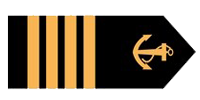 船长
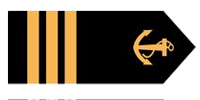 大副
 三副
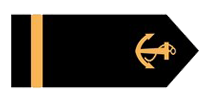 水手
 轮机长
 大管
 三管
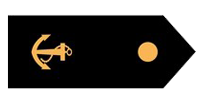 机工








 联系电话:13166192591
 传真:021-60719667
 地址:上海宝山区淞桥东路联合滨江大厦